Obtain tighter stop band impedance variance via the techniques detailed in this tutorial.
Input impedances presented by lowpass and highpass filters in their respective stop bands are usually not controlled and can vary quite widely. Sometimes though, we’d like to have a little better control of them.
 |
|
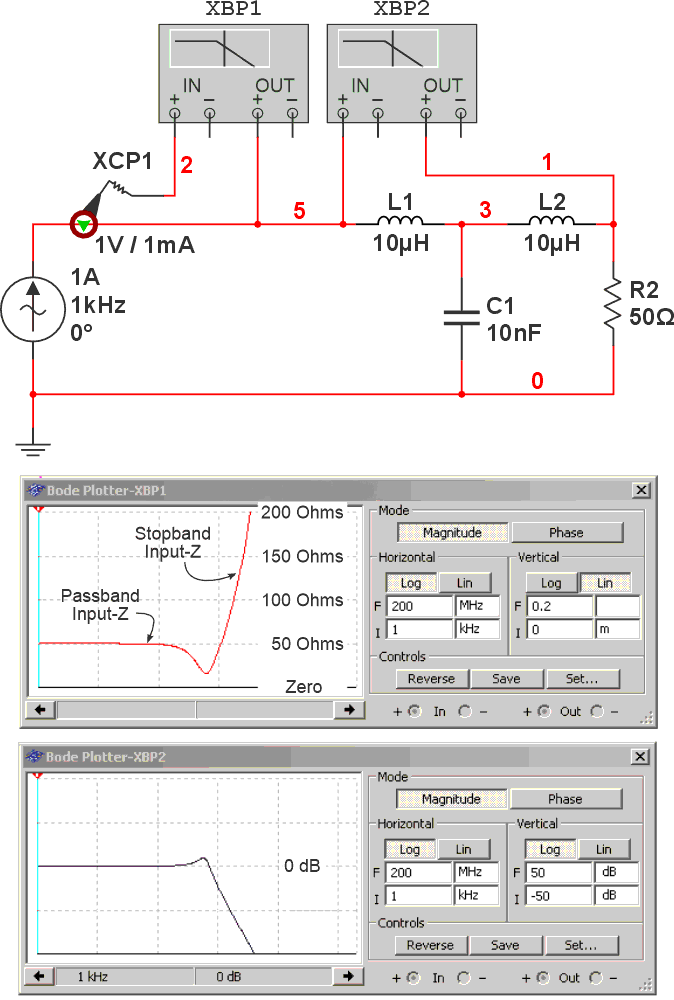
| Figure 1. | A typical tee-configuration low-pass filter delivers non-ideal results. |
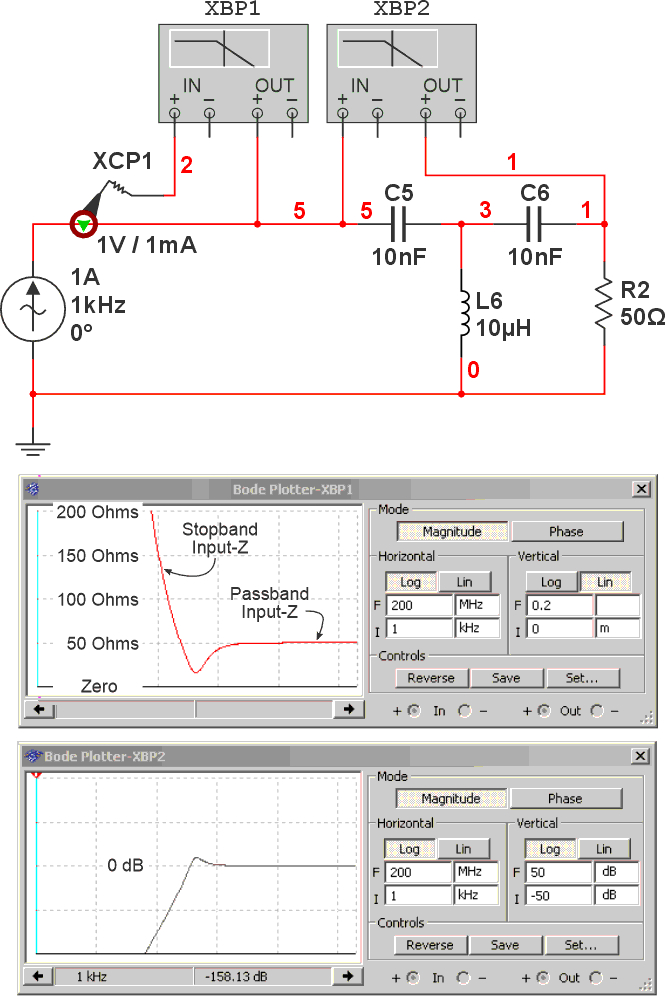
For example, tee-configuration low-pass filters and high-pass filters exhibit input impedances and frequency responses which are shown in Figures 1 and 2.
 |
|
| Figure 2. | A typical tee-configuration high-pass filter also delivers non-ideal results. |
For tee-configuration filters, the presented input impedance in the passband tends toward the load resistance value, but in the stopband, the presented input impedance rises without limit. That essentially uncontrolled and rising impedance can create stability problems for some kinds of driving devices delivering input signals to such filters.
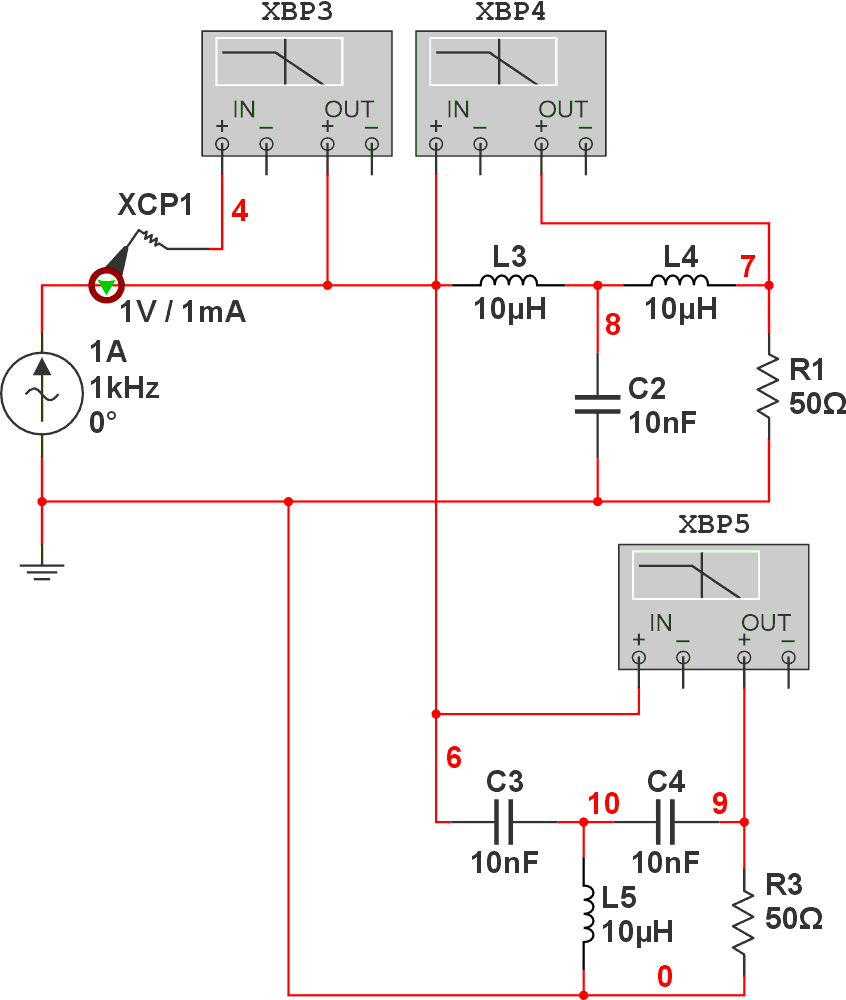
There is at least a partial remedy for this impedance issue possible, shown in Figure 3.
 |
|
| Figure 3. | A tee-configuration filter pair provides at least a partial remedy. |
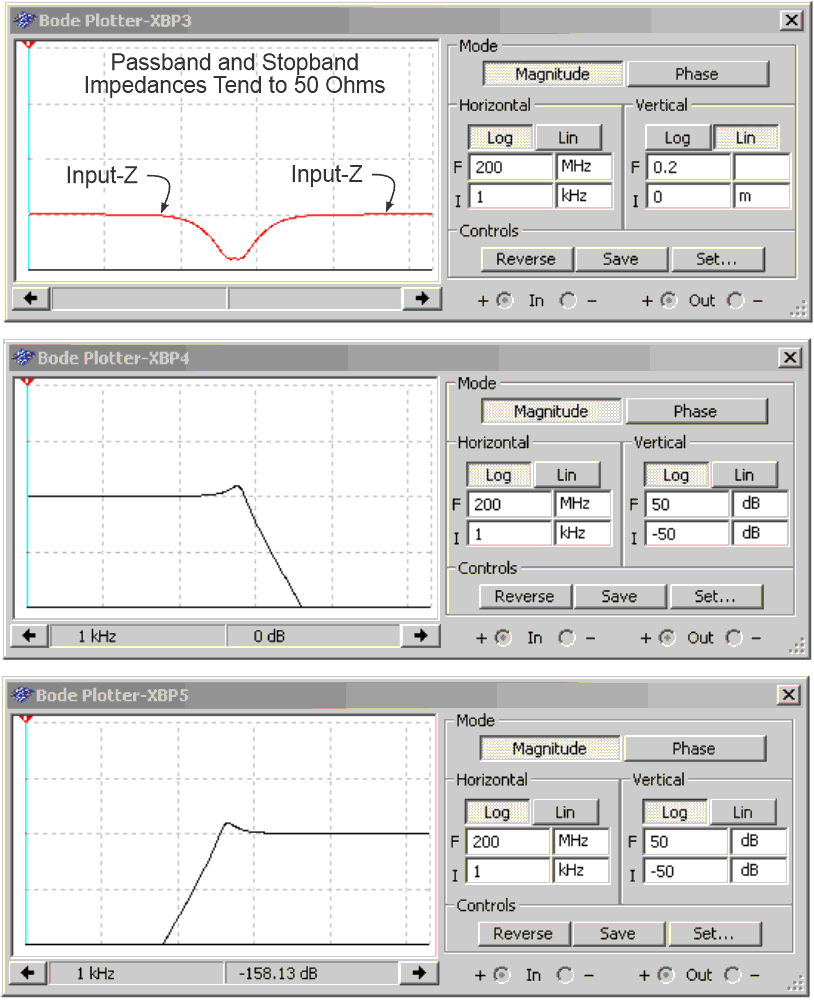
Using both a low-pass and high-pass filter, with each feeding its respective load, the input impedance becomes controllable both in the passband and the stopband of whichever filter you decide is the intended signal path. Input impedance and frequency responses would take on the forms, shown in Figure 4.
 |
|
| Figure 4. | Controlled impedance filtering can improve stability. |
The corner frequency impedance null doesn’t go away, but the input impedance both above and below that corner frequency tends to the load resistance values, chosen here as fifty ohms, which may help make a driving amplifier more stable.